Crafted in the heart of Italian leather excellence
Location, location, location
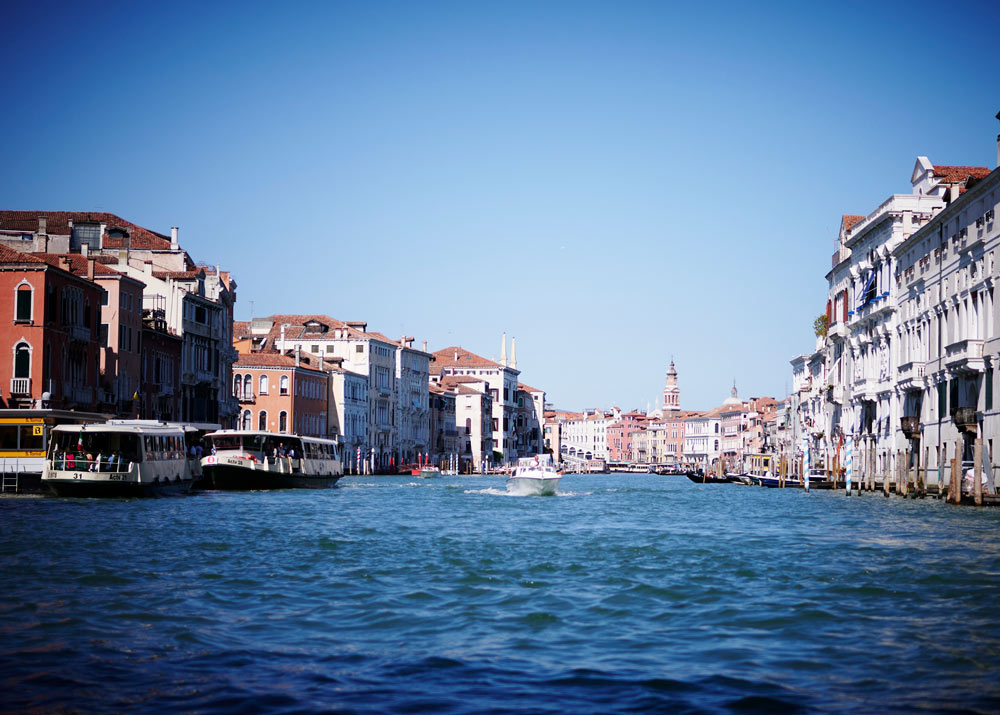
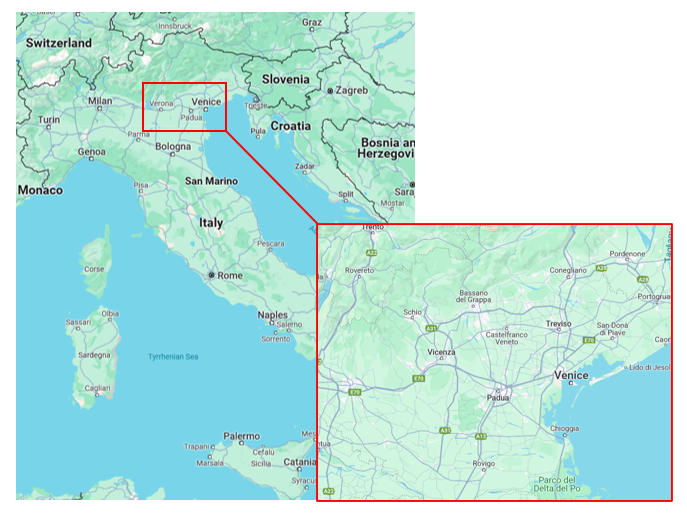
The highest quality leathers for the interiors industry come from the Northern Italian region of Veneto which encompasses the famous cities of Venice and Vicenza.
This area is known as the Venetian tanning district, one of the most important and well-known in the world.
There are over 600 tanning facilities in this industrial tanning heartland, and it represents 58% of the Italian tanning turnover.
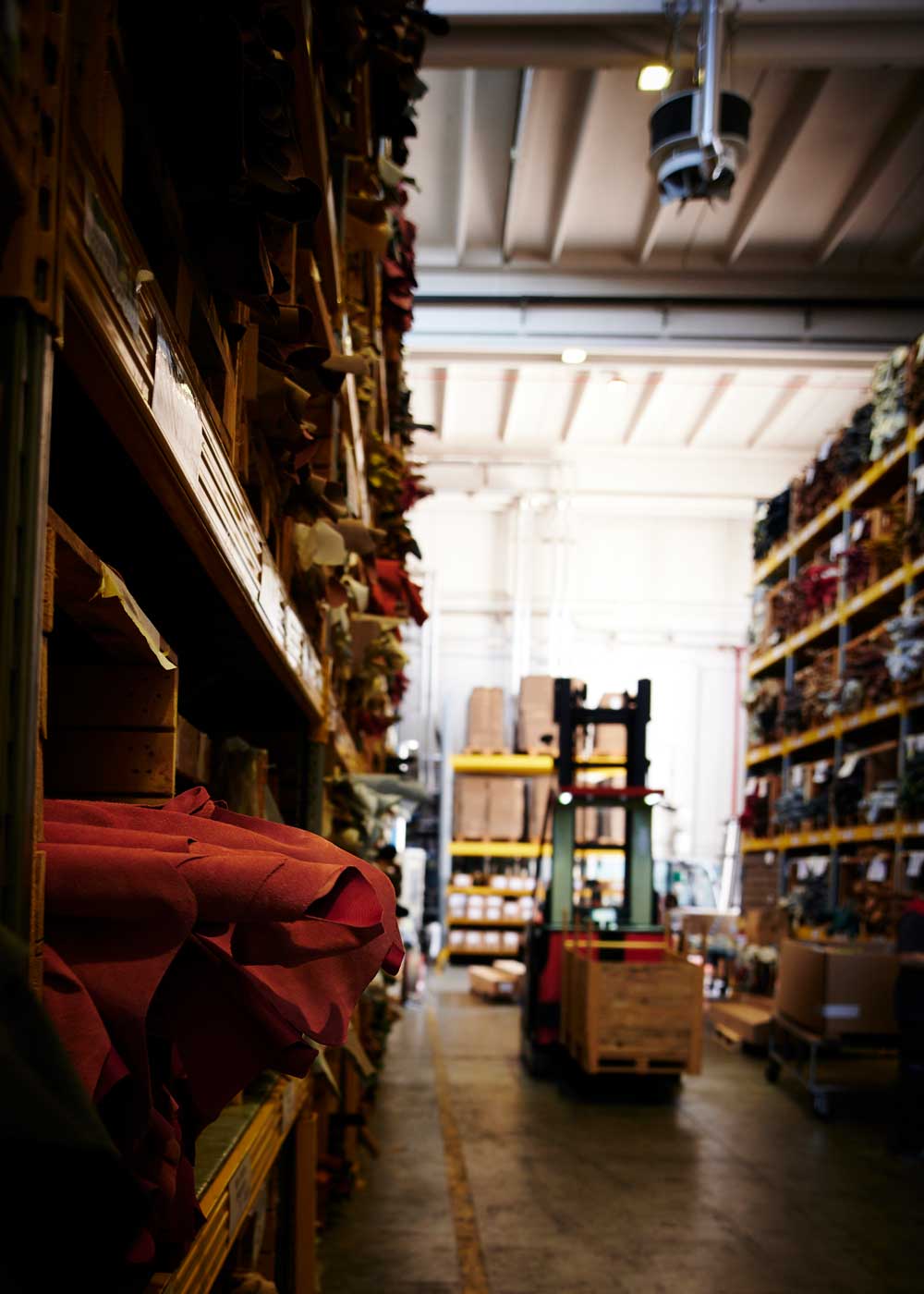
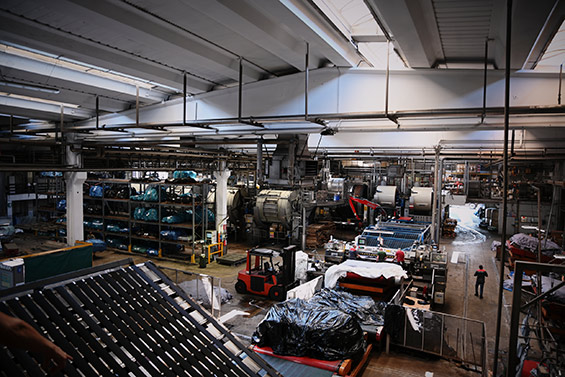
Our distribution centre is based here so we can hand pick leathers, keep a close eye on orders, and closely monitor quality control.
Our Operations Manager, comes from the area and leather is her first language.
From raw hide to refined leather
overview
1. Cleaning.
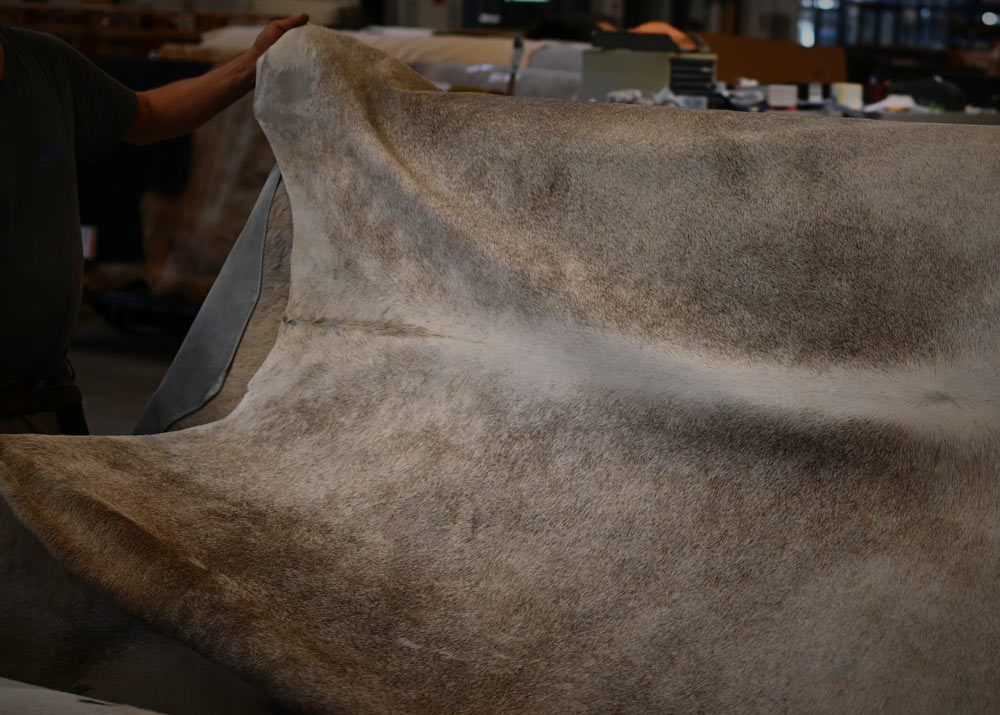
The hides are cleaned of any salt, dirt, flesh and hair.
2. Tanning.
The hides go from a perishable raw material to a stable piece of leather.
3. Dyeing.
Adding the colour and correcting the thickness.
4. Drying.
The hides are dried and readied for the next phase.
5. Finishing.
Final colour formation and surface finishes can be added – to give protection, create distinctive fashion effects or to enhance feel. These can be in the form of coats, dyes, waxes and oils and/or embossed or printed patterns.
6. Milling.
The leather is softened by being tumbled in a dry drum.
Where the transformation begins
Wet process & tanning
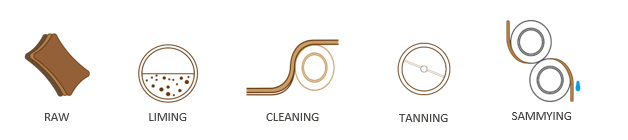
The raw material arrives preserved in salt.
Liming is used to remove the hair and wash away the impurities and fleshing to remove the fat.
The hides are then tanned. This is the most important part of the production process which converts perishable animal hides into leather, bringing life back into the hides.
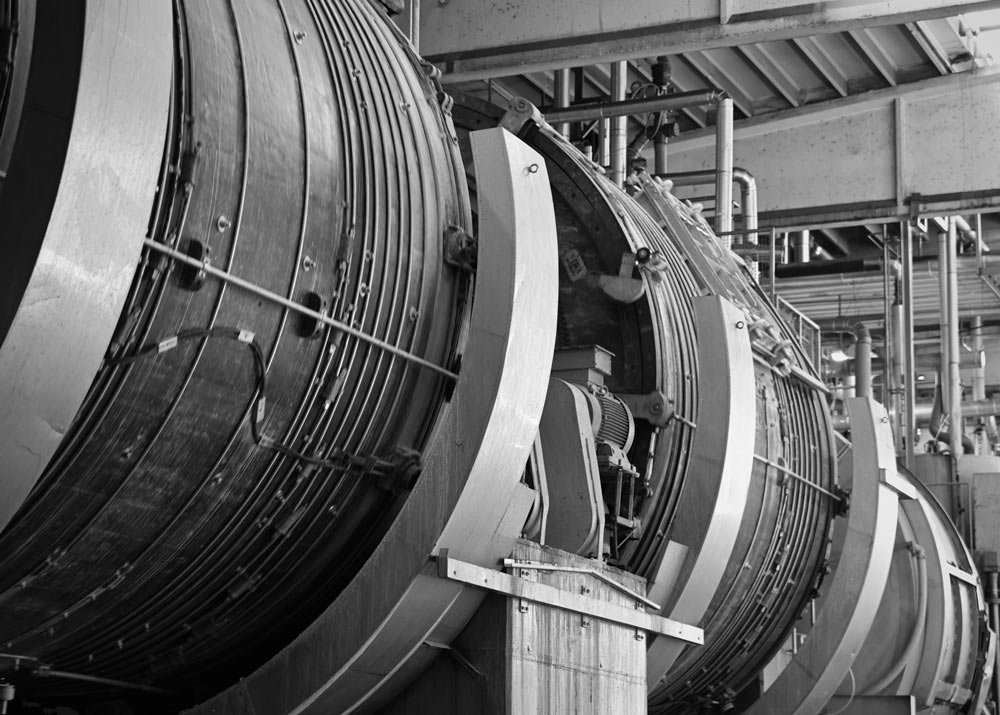
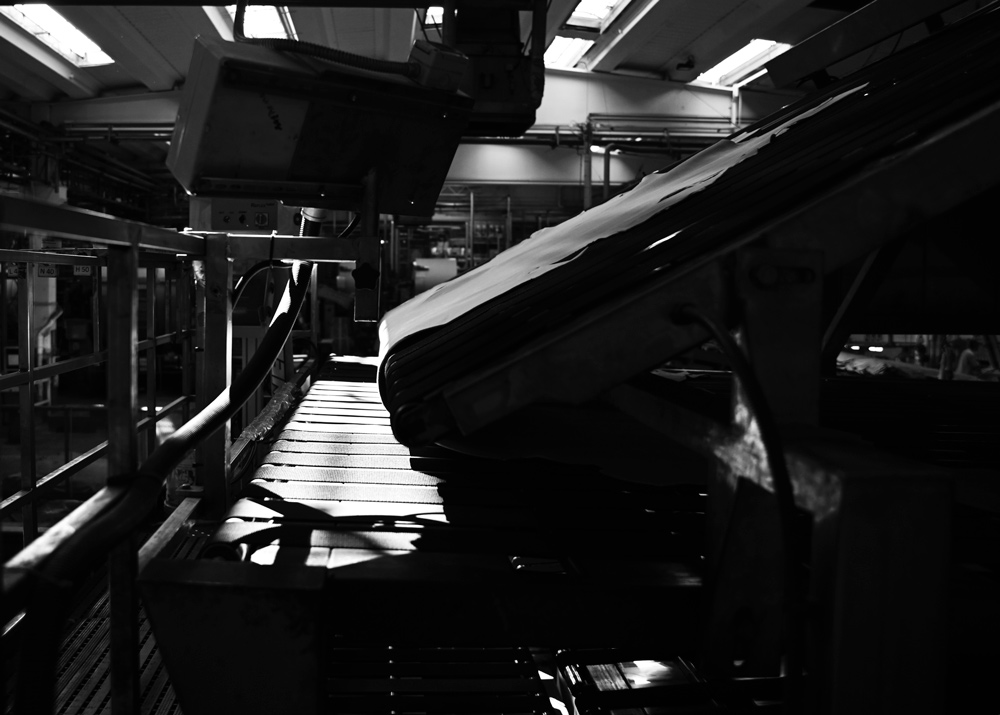
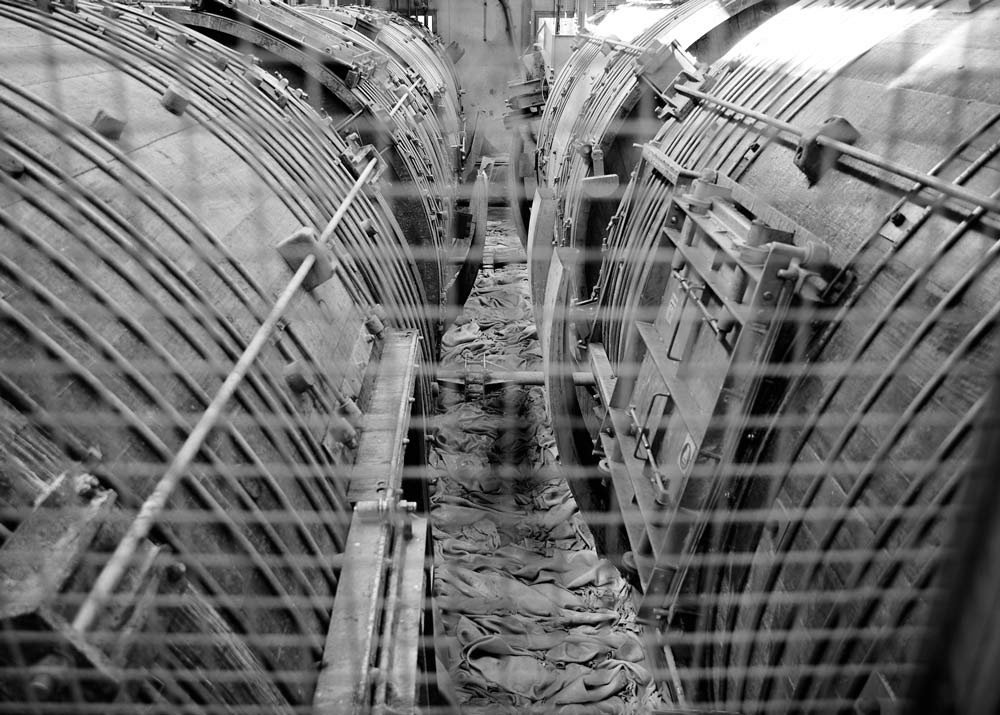
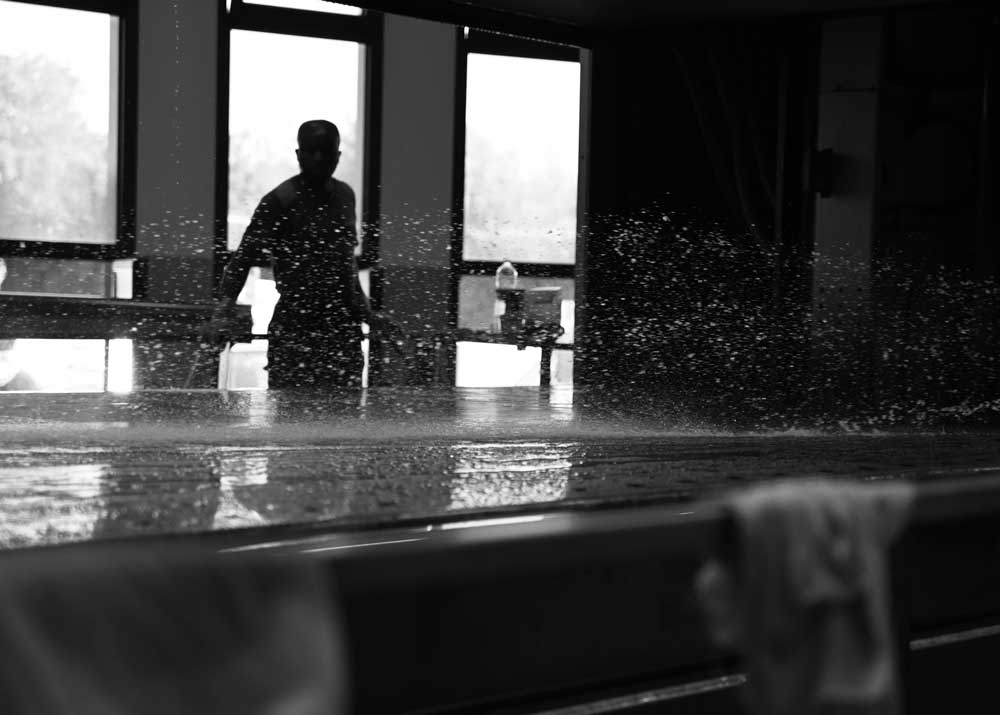
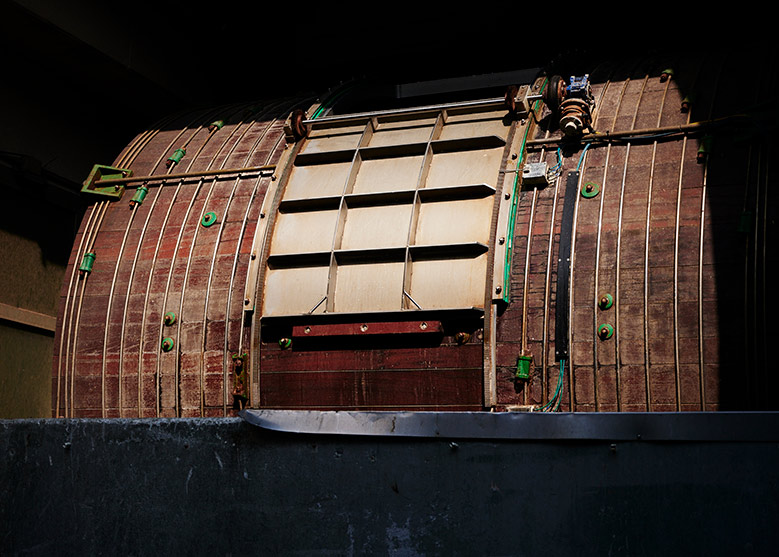
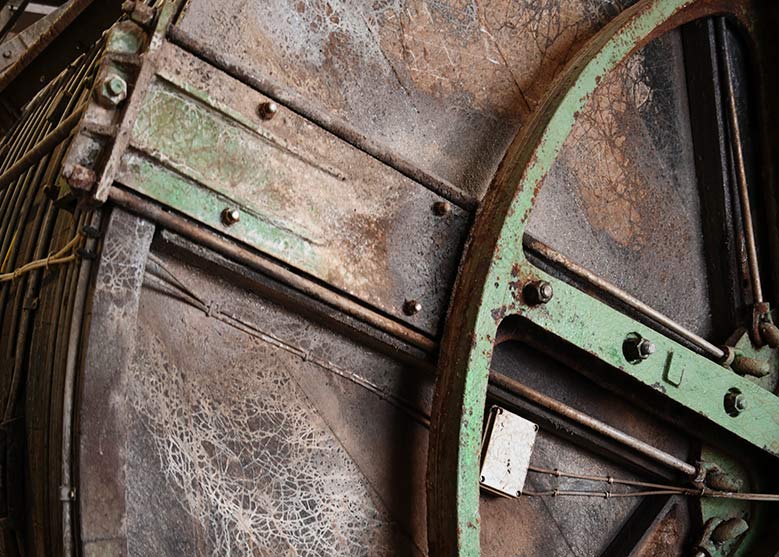
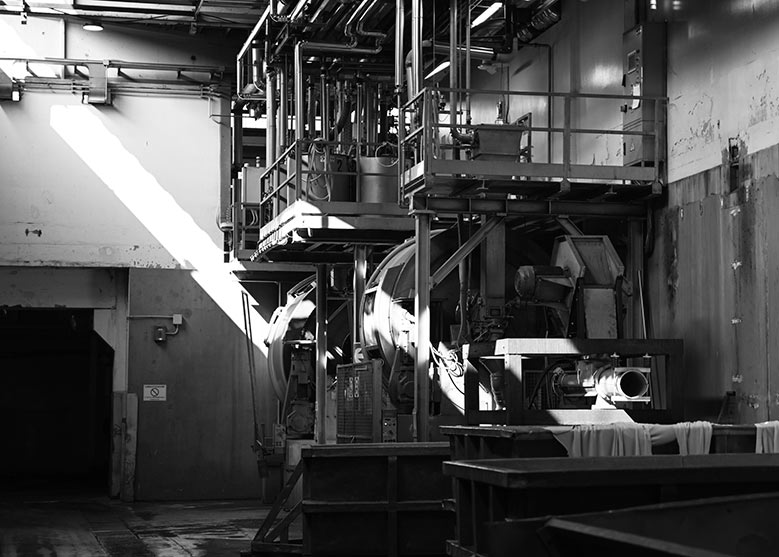
The processes mostly takes place in large wooden drums which preserve the water temperature.
Excess liquid is removed by pressing the hide, called “sammying.”
Layers of quality revealed
splitting
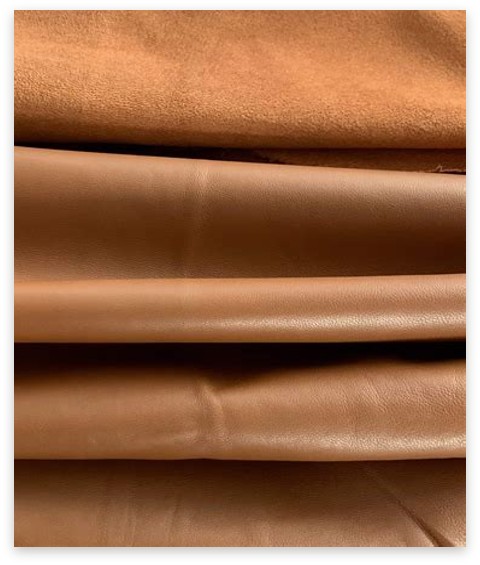
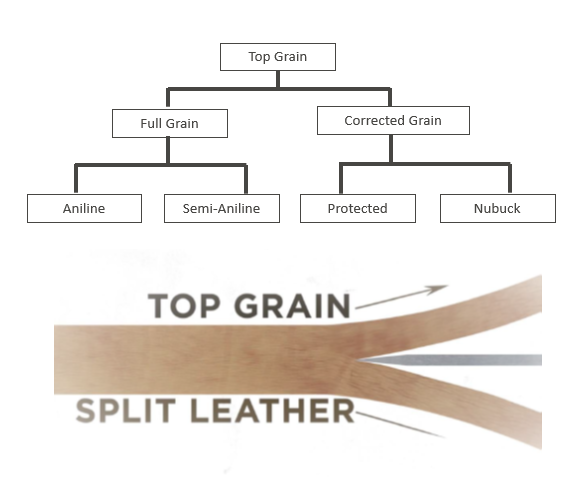
Splitting separates the layers of the hide into top grain and split leather.
The top grain layer is the uppermost portion of the hide and can be finished as a full grain Aniline and Semi Aniline leather.
It can be buffed to become a Corrected Grain of which Protected Leather and Nubuck originate.
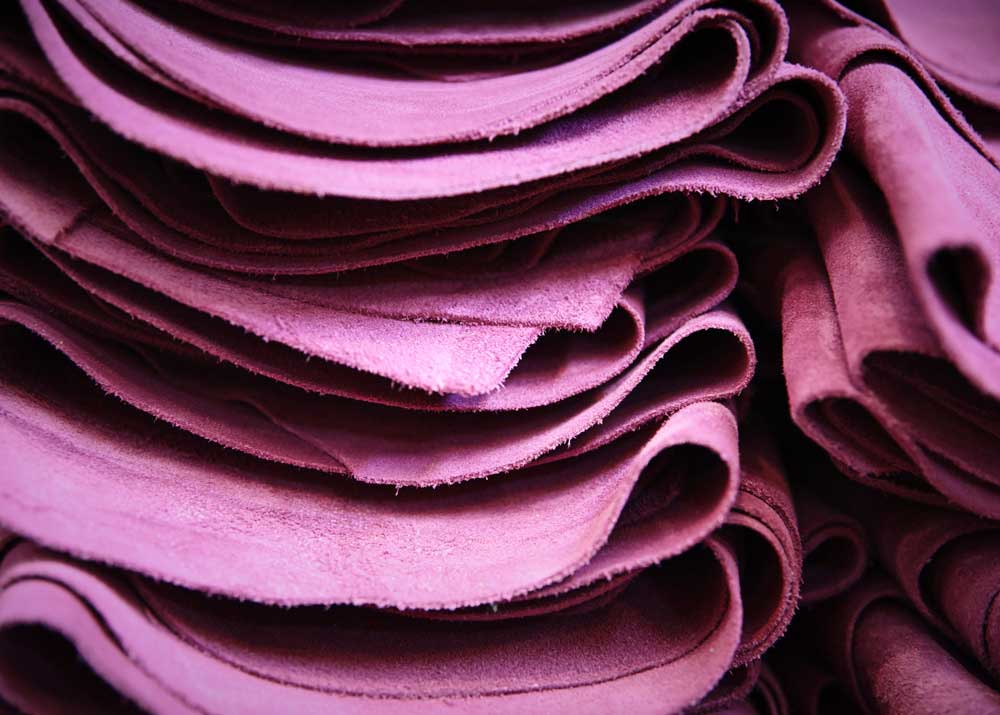
The split leather layer is used to produce suede.
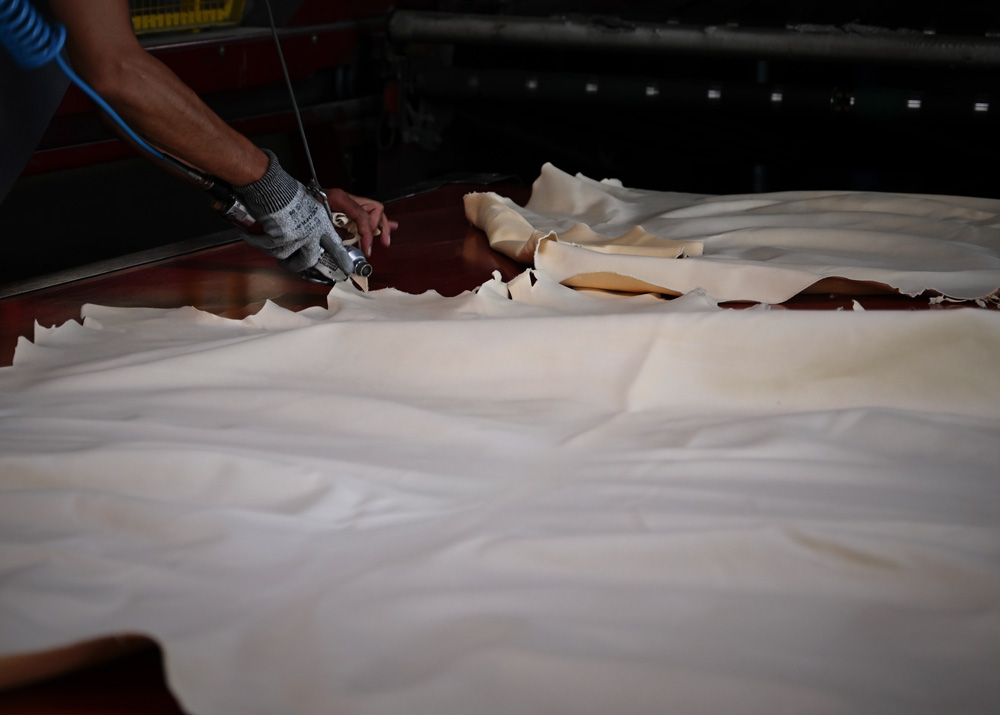
The final stage is trimming and shaving the hides to remove any appendages.
Colour, Character & Finish
Dyeing & finishing
The colouring or “re-tanning” phase is where the uniqueness of the final product begins.
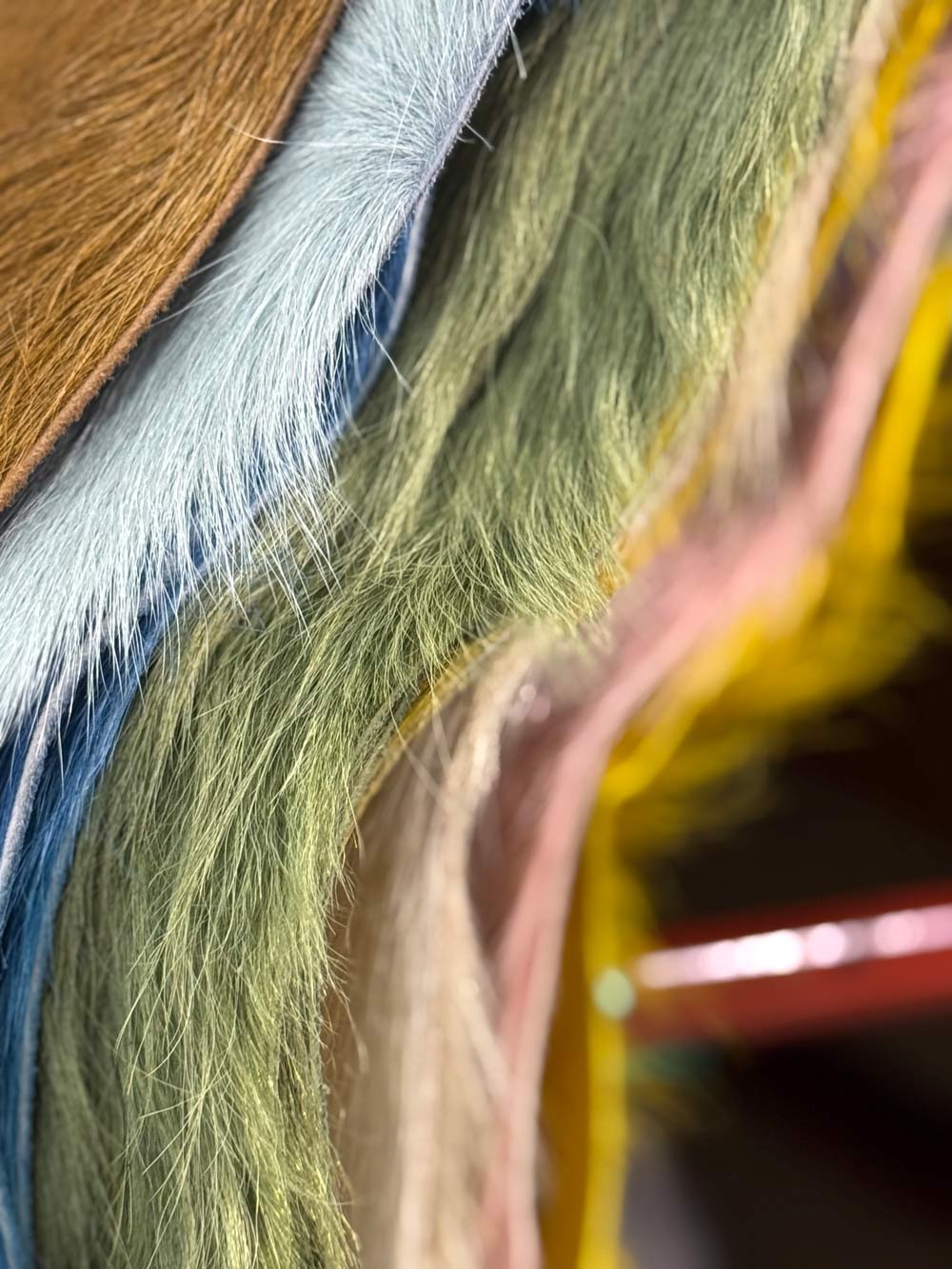
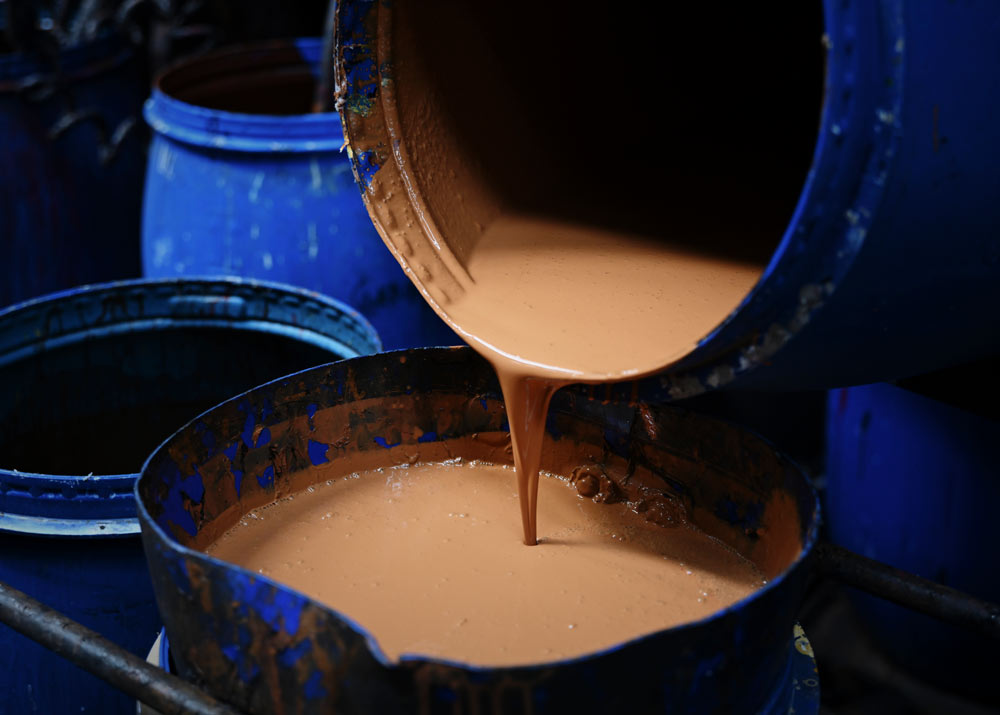
The hides are rotated in wooden drums filled with water-based aniline dyes which permeate each hide back to front.
The addition of tanning agents and fat liquoring impart the desired characteristics of the look and performance of the finished product.
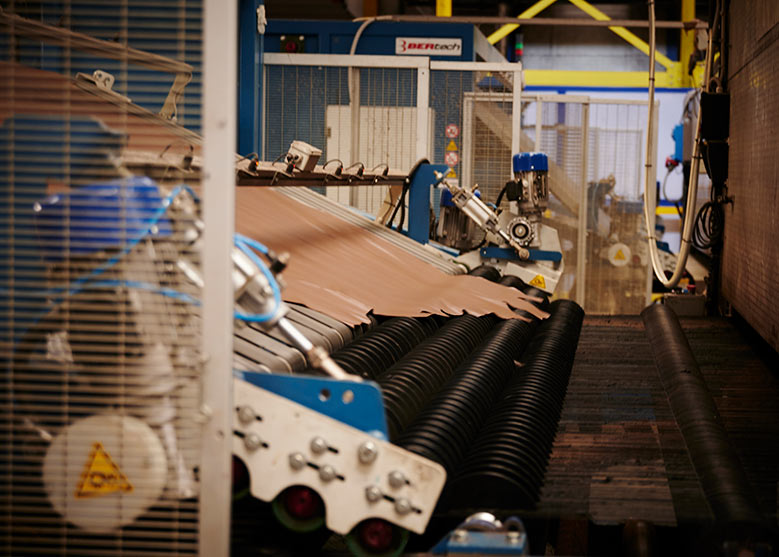
Once the process of dyeing is complete, the hides are typically air dried and mechanically softened.
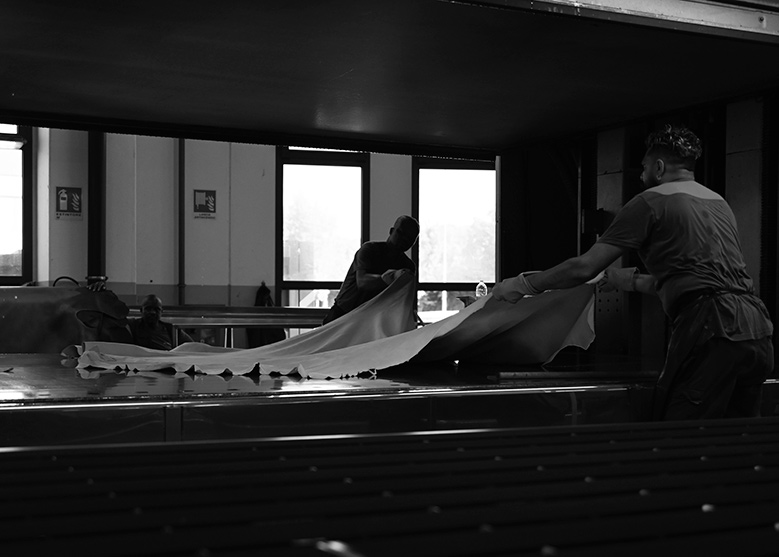
The natural markings and other defects are now visible, so we choose to leave and finish (full grain), or to buff and finished (protected).
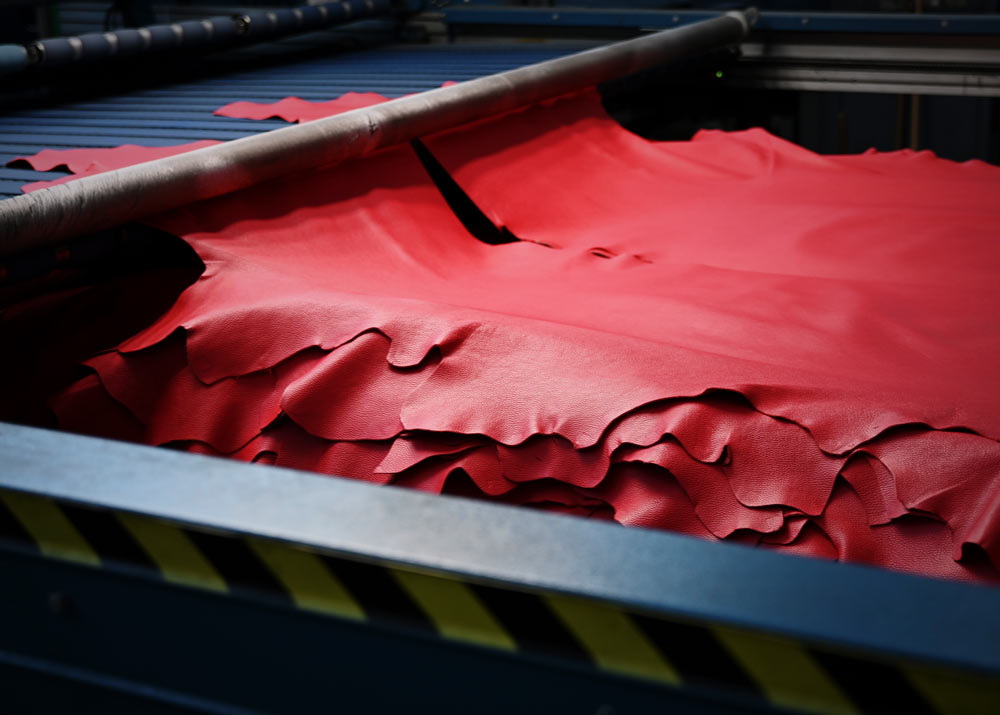
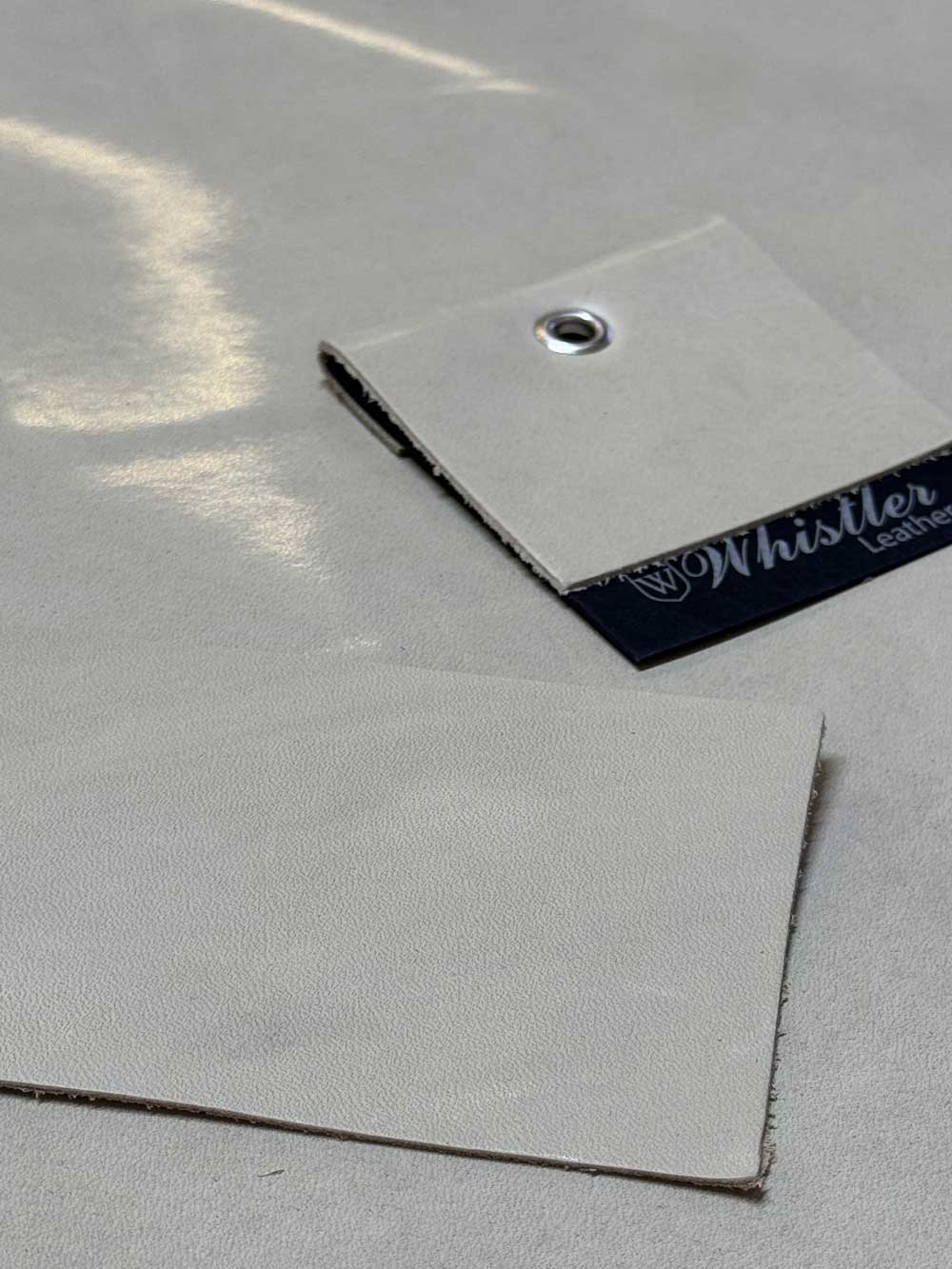
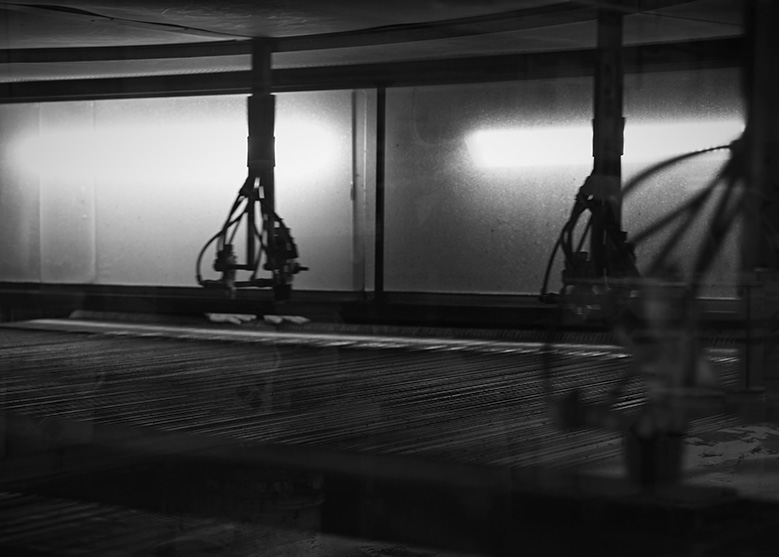
Finishing of protected leathers consists of spraying a primer, a colour coat and a topcoat which are additionally stabilized with a fixative. The hides are then returned to the drum for softening.

Final touches & quality control
Post production & surface options
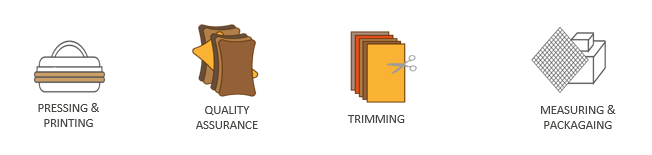
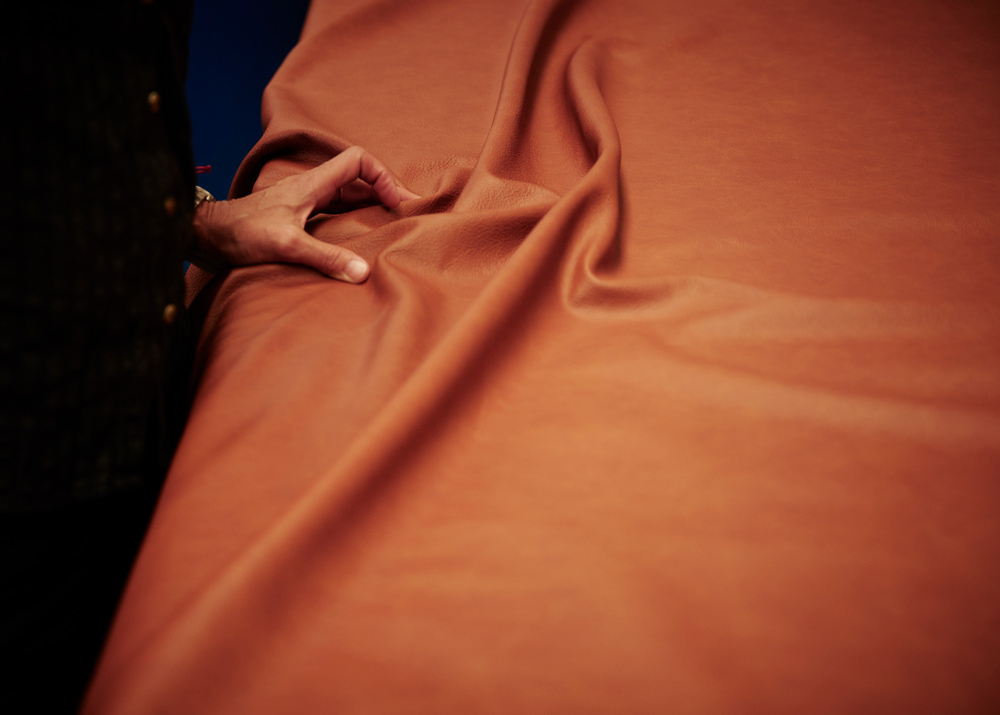
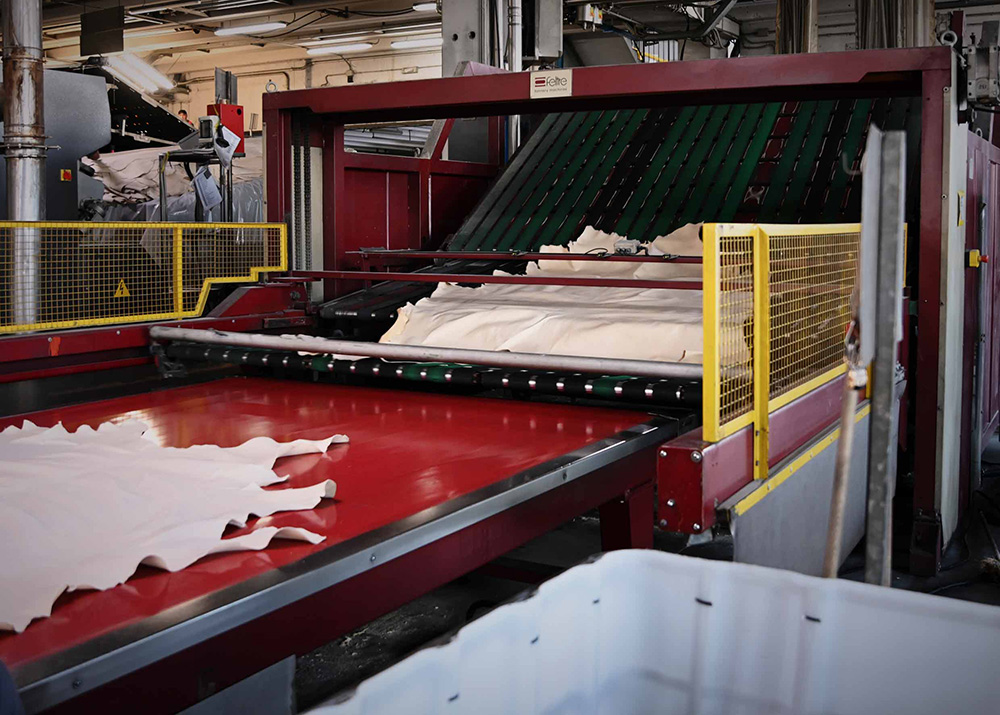
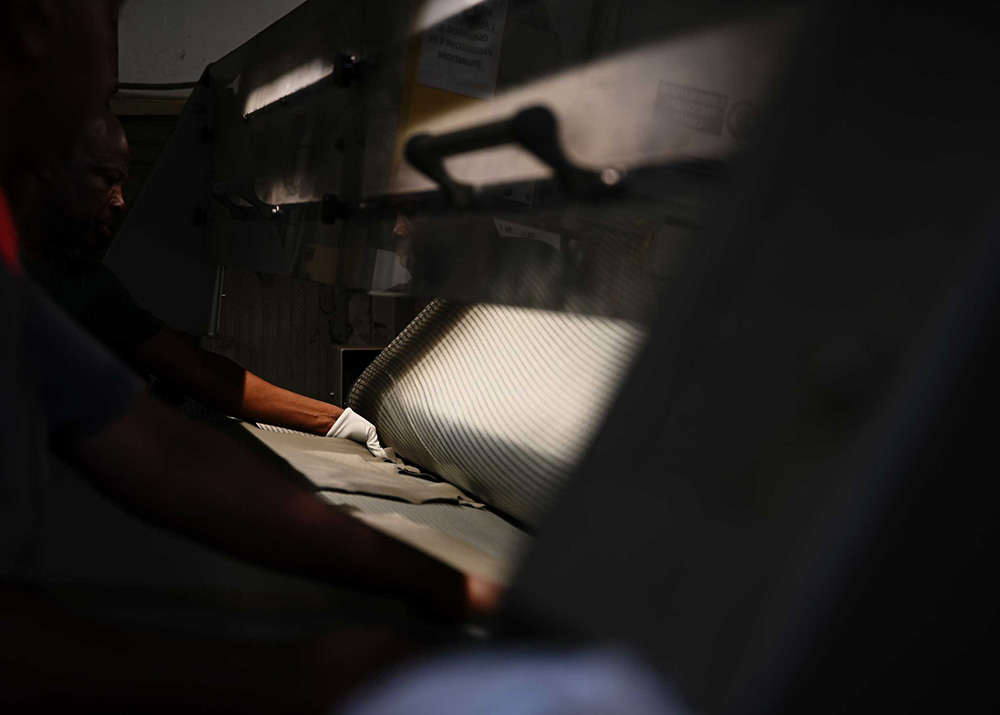
The hides can be pressed under heat and pressure to give a degree of sheen or printed to create the desired pattern.
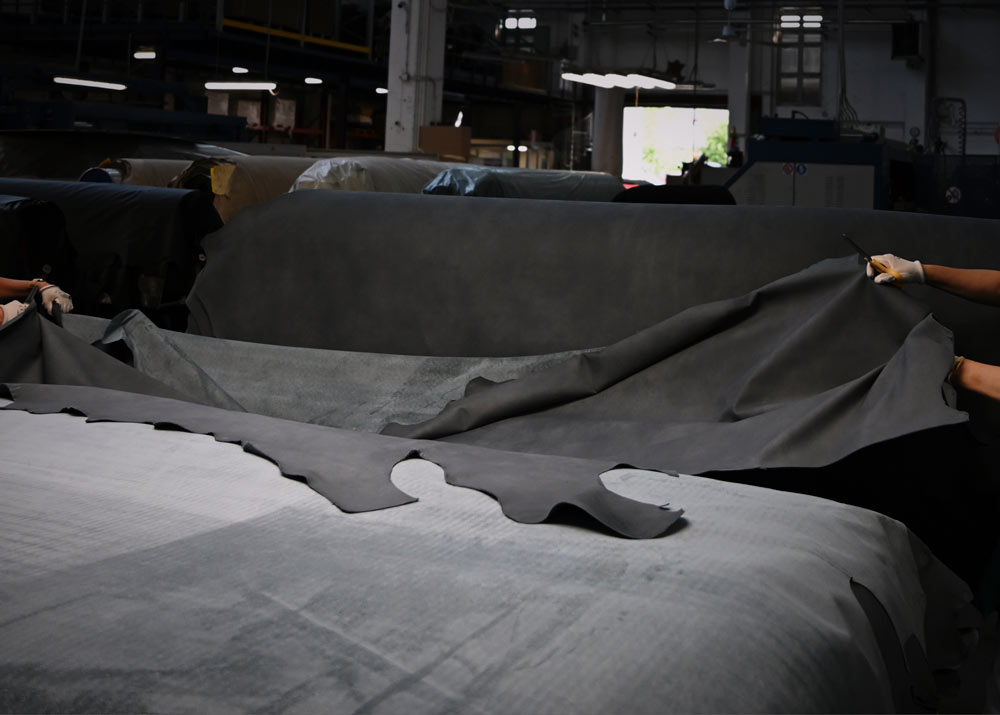
Final inspection ensures high quality control. In this phase, any hide that does not yield a suitable cutting area is removed.
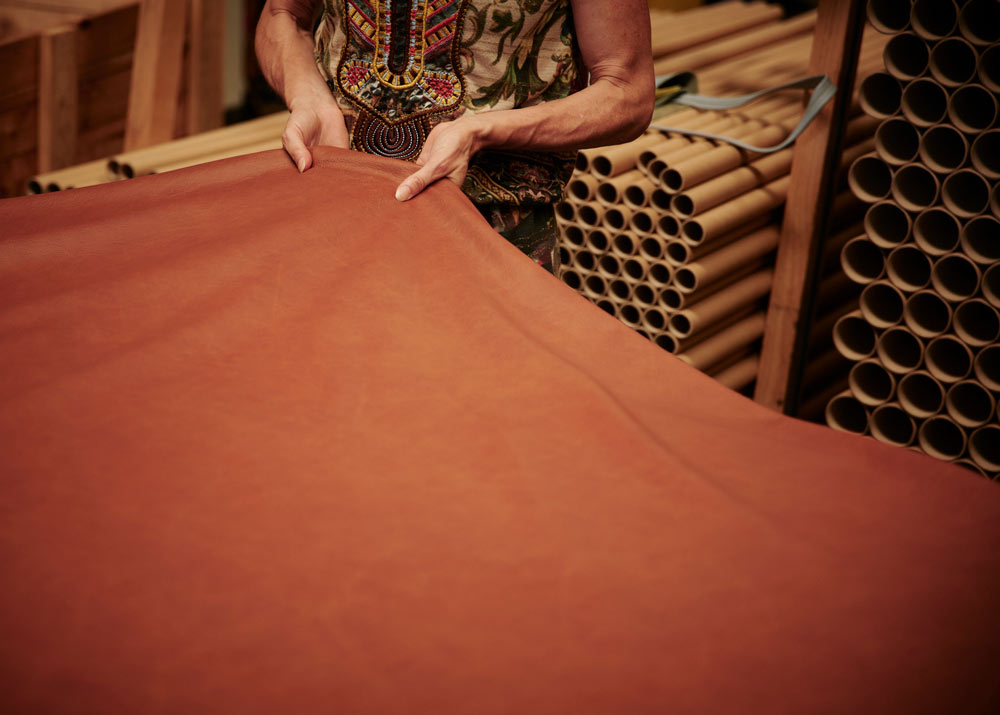
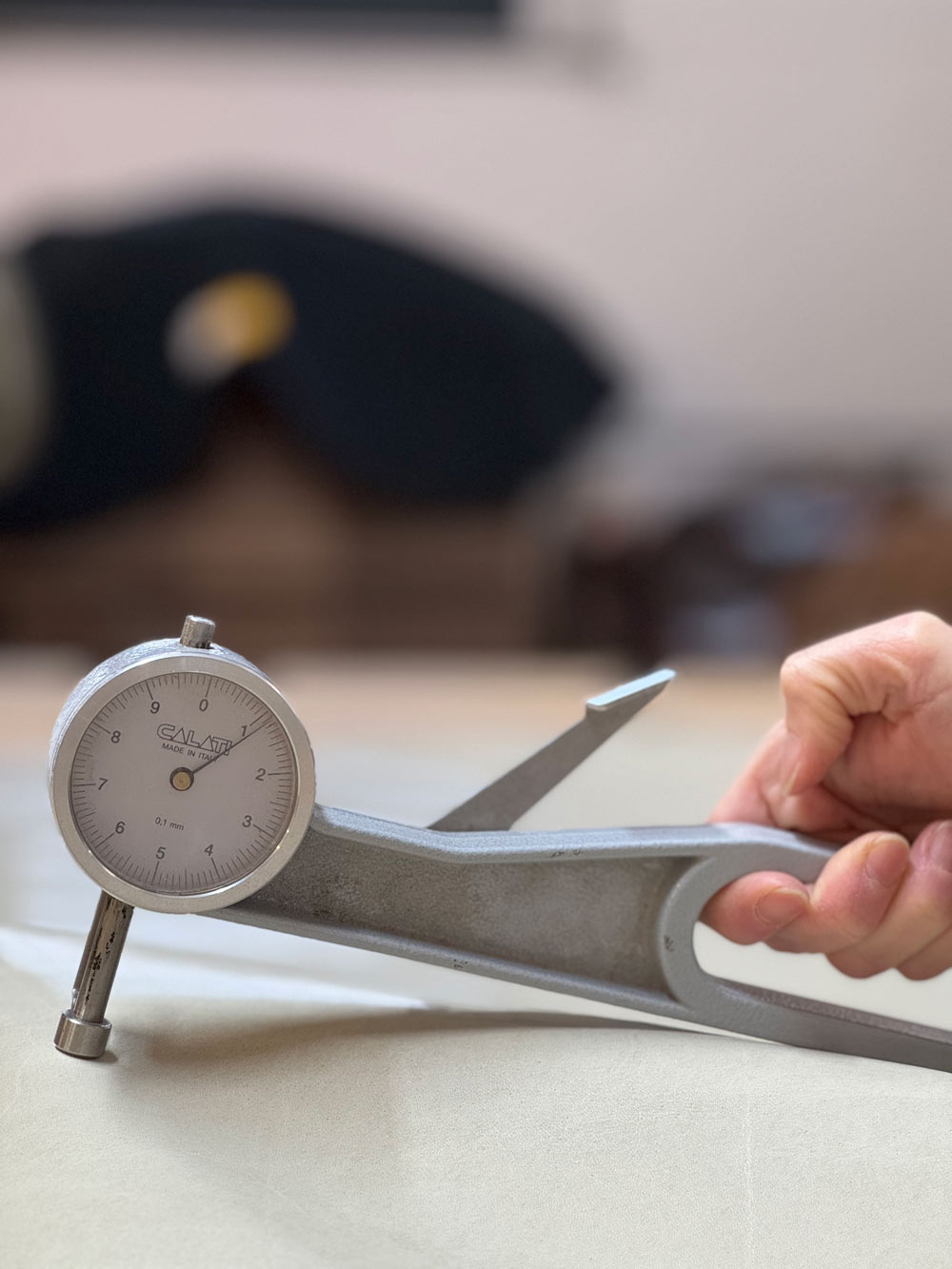
The hides are finally trimmed to remove any irregularities, measured and packed for the shipment.